Conclusion:

Digital technology has changed the learning environment in many ways. The changes throughout the learning environment in childcare settings have show that there has been a large increase in changes throughout the years. From a classroom including little to no devices incorporated in the curriculum, to having them become a part of a child’s learning activities. The changes have overall shown negative impacts on the beneficial costs, and positive impacts on the improvements of skills it gives children with disabilities and those without. There can and will be improvements on how these changes can be worked on in order to create an even better environment for children involved.  Some future research I would like to see in the future would be some longitudinal studies describing the long term affect this gives children involved with technology from a young age to when they are adults. Some question asked would be, what would be done if a school’s budget is too low for technology? what will be done if teachers are against using these devices? And what allows a early childhood educator or teacher to be professionally capable in instructing these sorts of devices during learning experiences?

References:

Lynch, M. (2016). The Dark Side of Educational Technology – The Edvocate. Retrieved from https://www.theedadvocate.org/dark-side-educational-technology/

Ferdig, R., Pytash, K., Kosko, K., Gandolfi, E., & Mathews, R. (2016). Use and perceptions of mobile applications and technologies [Ebook] (p. 8). Kent State: Kent State University. Retrieved from https://spedapps.kent.edu/2016survey.pdf

Bracken, C. (2015). Using Technology as a Social Tool in Preschool: Matching Philosophy With Application [Ebook] (p. 12). San Francisco, California. Retrieved from https://www.realworldlearning.com.au/uploads/8/1/0/5/81056008/using_tech_as_a_social_tool_in_preschool.pdf

Schafer.E,(2003).DigitalTechnology,Retrieved from http://go.galegroup.com.ezproxy.torontopubliclibrary.ca/ps/i.do?p=GVRL&sw=w&u=tplmain&v=2.1&it=r&id=GALE%7CCX3401801216&sid=classroomWidget&asid=2cc9d2dd

Technology has transformed teaching, now it could reshape classrooms; Digital technology has revolutionised a teacher’s role in the classroom, but it’s time the physical learning environment caught up too. (2015, February 13). Guardian [London, England]. Retrieved from http://link.galegroup.com/apps/doc/A401474309/AONE?u=guel77241&sid=AONE&xid=2475477d

Digital Technology in the classroom. (2016). [Image]. Retrieved from https://hsd.ca/deeper-learning/leveraging-digital/early-and-middle-years/

Technology in the Classroom. (2017). [Image]. Retrieved from http://institute-of-progressive-education-and-learning.org/elearning-part-ii/elearning-technology-in-the-classroom/classroom-infrastructure/
Practical Connections

The information presented in the previous blog post will impact my future career as an educator of young children in many ways. Allowing ourselves to realize the importance and evolvement in these types of technologies used in the classroom can be managed in an active manner. Allowing children to explore and gain certain domains and skills in their development will help them in their future. Technology has and will continue to change the learning environment; it has transformed a teacher’s role in the classroom. Technology allows children to take charge of their own learning, become independent and allow themselves to explore and understand learning from a different perspective. The information provided in the previous blog posts has opened up my eyes as a future early childhood educator. My ambition and goal as a teacher are to create the best learning environment and experience for my students, and those suffering with disabilities should be allowed to experience them as well. Early childhood educators learn through experience, and with the research and evidence in digital technology it has shown amazing results in childcare settings. Digital technology “are ideal tools for problem-solving tasks, in which children can work both individually and collaboratively, and then share that work” (Wareing, 2015) Guidance in learning how to perform and use these devices should be encouraged across school boards and child care centres. They should be managed and developed in order to create the positive outcomes that teachers want to achieve, implementing these devices in various ways can and will improve the rate of learning and achievements throughout the child’s years. Many may be against these devices but demonstrating the right ways in approaches will allow others to give it a try and avoid keeping children away from something that has become a requirement in many individuals’ lives. The impact made throughout this research has made me develop a better understanding as to how and why digital technology has become such an remarkable evolvement in our environment.  

Third Point

Educators have a huge impact as to how the learning environment is displayed and effectively managed. As previously mentioned before the changes in the learning environment associated with digital technology did have some negative outcomes as well. The cost efficiency was one of the main points in which digital technology may impact the school’s environment, not so much the students. There is a huge perception as to what digital technology can do to a child, some stereotypes are that it makes a child anti-social, always at home, and depressed. There are changes to be made in order to create this technology as affective and positive as possible. Some changes include having an open mind and believing that these devices are being used for the right reasons. A way in which we can make the learning environment better would be for the teachers’ roles to be stepped up. Both roles in a teacher and student should be increased in order to create this new impact on the learning environment better. A way in which teachers should act in creating a better learning environment for their students would be to “not control the learning process as well as they should allow students to perform collaborative work and make some decisions on their own.” (Wikramanayake, 2014, p.7) This allows the children to be trusted and allows them to learn on their own. Allowing a child to learn from minor mistakes will create a better understanding that they can and will be able to learn independently in their future successes.  Students should focus on “creating personal knowledge by acting on content provided by teachers, media resources, and personal experiences” (Wikramanayake, 2014, p.8) This focus will allow the child to obtain better directive skills such as problem solving and critically thinking on their own. The negative impact of the beneficial costs of the funding of these devices should be brought up to the government. Education grants were given to teachers and school systems in order to create an effective learning experience. A document of the educational grant funding for schools around Canada showed that in 2004-2005 a lot of the computers for schools were donated. “Free computer hardware for non-profit schools. You will be surprised at the equipment that some companies donate” (Briere, 2004,p.2) The overall changes that can be made In order to create an even better learning environment for students is inspiring, these little steps early childhood educators, students, peers, and higher authorities do will help create this environment captivating.

Research Question

As you all may know digital technology is the main the focus in this research blog. Many of us educators may have asked ourselves if digital technology has changed the learning environment in childcare, if so, are those changes good or bad, and what can be done to create a better and effective environment for our students. Digital technology is a topic of interest for many teachers and early childhood educators because it affects the curriculum and the learning environment in various ways. The learning environment for a child is very important, keeping them up to date with what’s around them and what’s around us can be a difficult task. Technology has become one of the main priorities in our newer and upcoming generation, and with this being said there is no way in which us educators can avoid this or even try to take this away from our students. Educators are learning new ways into integrating this huge change in the classrooms, finding ways in which technology and our students’ education can gather together is and will always be a task that we will continue to learn. Being able to create a diverse way of learning can generate positive outcomes for our students.

List of resources:

Schafer.E,(2003).DigitalTechnology,Retrieved from http://go.galegroup.com.ezproxy.torontopubliclibrary.ca/ps/i.do?p=GVRL&sw=w&u=tplmain&v=2.1&it=r&id=GALE%7CCX3401801216&sid=classroomWidget&asid=2cc9d2dd

Smart Homes. (2017). In Encyclopedia of Emerging Industries (7th ed., pp. 571-576). Farmington Hills,MI:Gale.Retrieved from http://link.galegroup.com.ezproxy.torontopubliclibrary.ca/apps/doc/CX3664200124/GVRL?u=tplmain&sid=GVRL&xid=e885f0e7

Bracken, C. (2015). Using Technology as a Social Tool in Preschool: Matching Philosophy With Application [Ebook] (p. 12). San Francisco, California. Retrieved from https://www.realworldlearning.com.au/uploads/8/1/0/5/81056008/using_tech_as_a_social_tool_in_preschool.pdf

Second Post

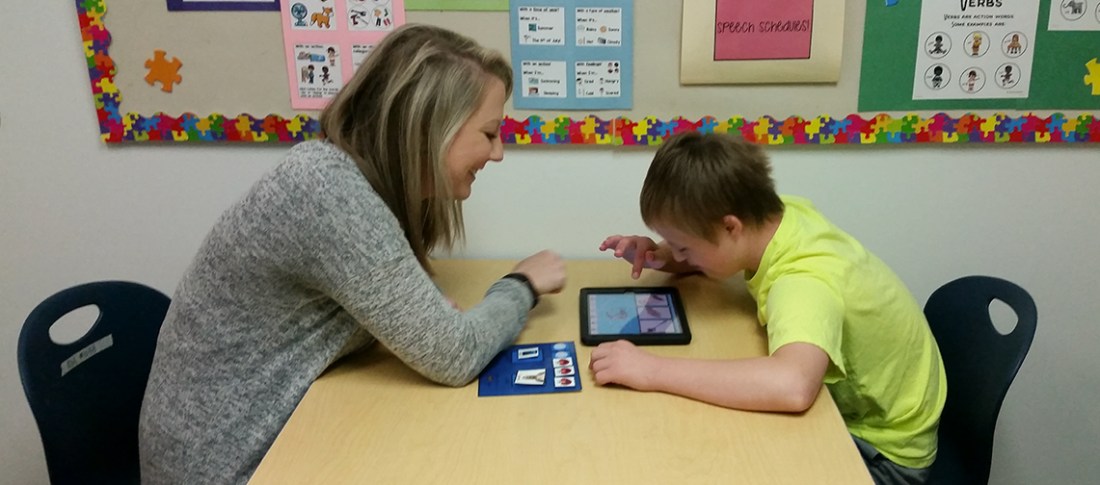
Digital technology has changed the learning environment in a childcare in many ways. The new technologies being incorporated in the curriculum can create biases amongst educators, students, parents and peers. There can be positive and negative outcomes as to what these changes have done to the learning environments in the childcare setting. Studies have shown that there is a higher rate of positive outcomes than negative. The one negative outcome as to what these changes have done to the learning environment was found on Matthew Lynch’s article. Lynch goes into detail on some of the negative aspects of the changes digital technology has made in the education system. The costs of these devices would be one of the downgrading factors, “The cost of the tablets themselves, along with maintenance costs, higher bandwidth and security features, and more manpower in school IT departments, are certainly obstacles.” (Lynchs, 2016) This was one of the only resources I found that genuinely had an effective negative outcome on digital technology. The financial strain that the technology can come with can create a barrier for those who are unable to afford such an expensive budget. Digital technology has many positive effects within the learning environment of a child. Personally, I believe that the positives highly outweigh the one negative outcome listed above. Digital technology is and can be used to help those children with disabilities, this type of technology “can be used to effectively support students as they manage their daily activities and independently complete tasks in classroom and mainstream environments.” (Ferdig, Pytash, Kosko, Gandolfi & Mathews, 2016,p.8) The researchers in this article concluded that the social, cognitive, and literature skills of a child suffering with an kind of disability was positively affected with a type of digital technology, and the 70 percent of those who were hardly ever introduced to these types of technology were lacking in some sort of skill. Another positive change digital technology has done for our learning environment would be the technology being used as a social tool. Caryln Bracken conducted a study consisting of her observing her preschool students interacting and using technology in the classroom. Bracken had found that integrating the classroom with digital technology was “open ended and encourages children to interact with one other, and also allows children to learn in a way that makes the most sense to them” ( Bracken, 2015, p.12) The changes made in the learning environment have created countless positive outcomes for the children involved, and a few negative conclusions as well.


​(Speech & Language Therapy, 2017) [Image]

First Point

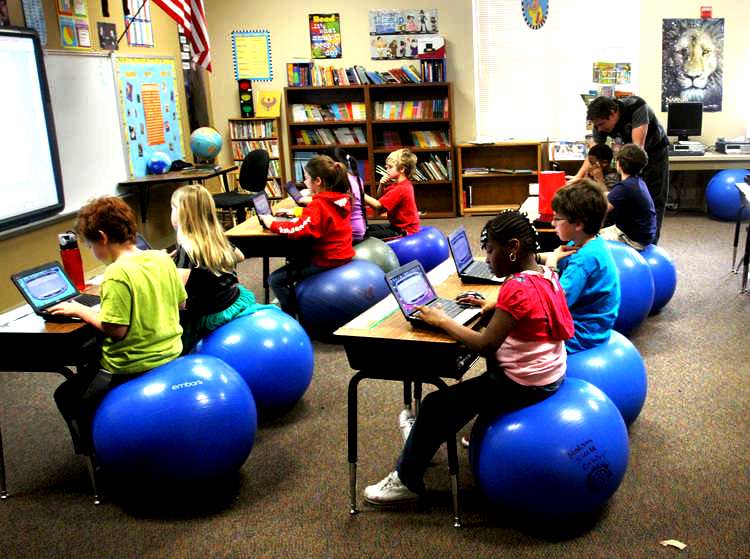
The changes made in the childcare learning environment has been exponentially fascinating. Technology and the changes that come with it have become something that is quite hard to catch up to. The changes made in the classroom has been demonstrated through personal experiences as well as through observations. Comparing and contrasting the past and present is very important within this category of the blog. Being a young adult, many can account to the situations and ways in which our own classrooms and learning environments were like. The evolution of technology has been mesmerizing to watch, we are now used to having technology or information at a touch of a button. Back in the day technology was indescribable and has come a long way. Devices were not wireless, our chalk boards were touch screen, and our kindergarten songs were not learned through YouTube videos. In the early 2000s, “digital computers ranging from laptops to Internet networks came in many sizes and performed various tasks” ( Schafer, 2003, pg.25)  Classrooms had no technology involved in the learning curriculum. Teachers had no problems with having to tell their students to put phones away at such a young age, and children had hardly any access to Chromebook, iPad, tablets, phones, etc. in the classrooms. Now teachers are evolving and allowing their students to have screen times and they are often using their technological devices to asses and use for their homework or learning experience. Teachers are learning new ways in incorporating these technological devices into their curriculum, whether that be for literature, mathematics, science, or any other subject in the classroom. New ways of using this technology has become beneficial for both the students and teachers in learning how to incorporate these devices effectively and learning how to not misuse them is the most important concept. I truly believe that comparing the changes being made amongst how the classrooms were set up with and without technology, the technology involved outweighs them being absent.

Introduction

Digital technology has become more recognized as an Incorporated piece of learning in the everyday childcare setting. The classroom is a space in which a child learns, plays, and observes. Creating a learning environment that is effective and safe is the main priority for an early childhood educator. Knowing this, an early childhood educators’ job is to create the most effective learning environment for their students. Technology has evolved and is becoming something that everyone has and is in touch with. With technology evolving and growing, early childhood educators are learning how and what ways technology can be incorporated in their curriculum. How is digital technology changing the learning environment in childcare will be the discussed research question. We will also discuss the reasons as to how this change with digital technology has become positive and/or negative for the learning environment. The overall changes in which digital technology has made in the classrooms will be discussed throughout this research blog, and we will lastly go into detail as to what can be done in order to create digital technology in the learning environment better. Overall digital technology is an interesting topic of choice, the areas in which will be discussed will focus on the growing changes in the learning environment in the child care setting.

Informal overview of the topic:

The chosen topic of education and how digital technology is changing the environment in childcare is a very important topic of discussion. Education has become one of the most important ways of learning and developing knowledge. I believe this topic is important because it is what shapes a child’s development in various ways, education allows children to learn, discover and develop skills that will further help us in our later years in life. Education has become a big part of our lives, we enter schools in our very early years in life and most continue up until their later adult lives. Digital technology has become something that has been continuing to develop evolve, it also has become somewhat of a norm in our early years and later years in life. I believe the changes being made in our childcare system are exceptionally important in determining whether or not this change is positive or negative.